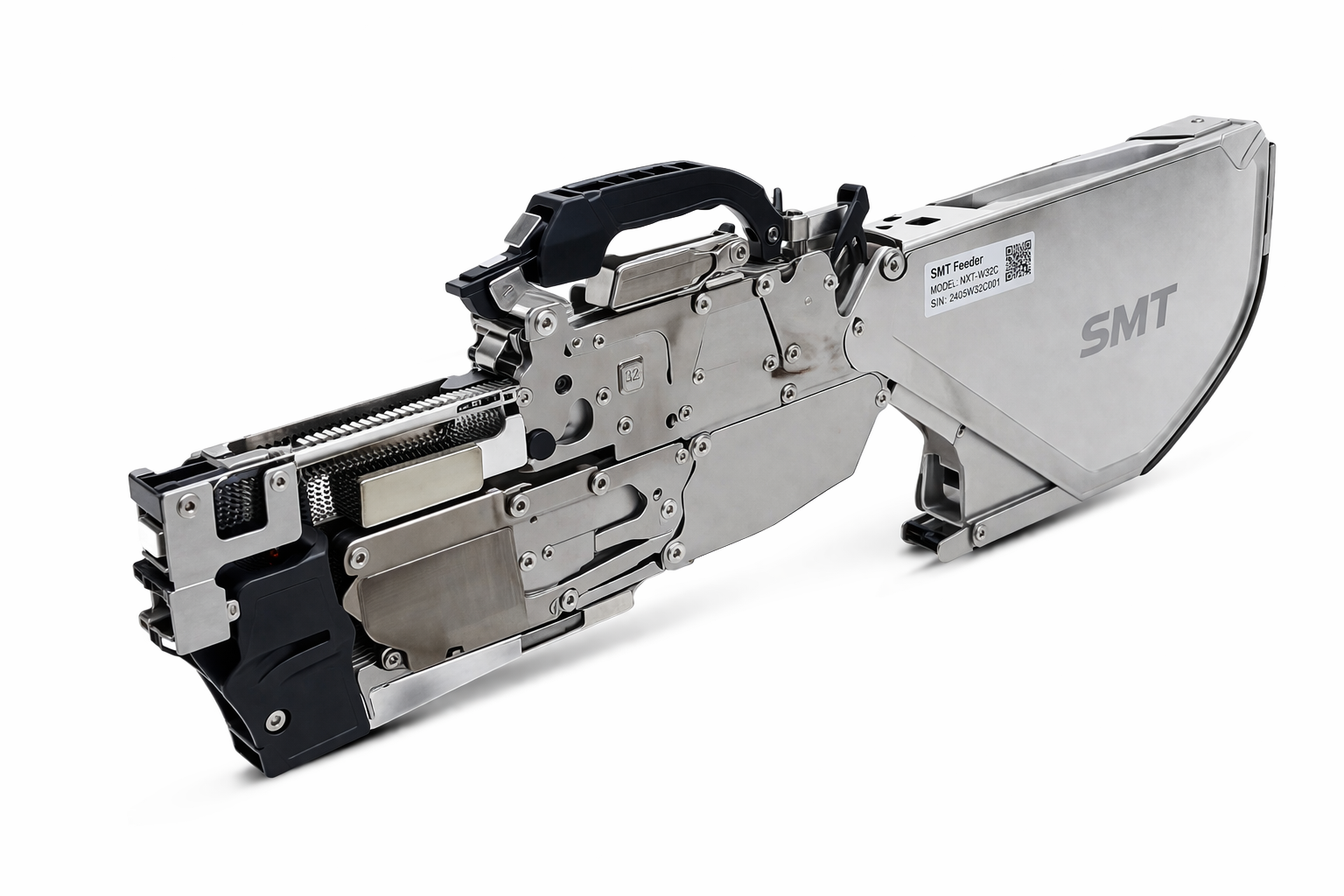

The production line begins to behave unexpectedly when it shows missing parts and incorrect assembly and decreased production output, which points to problems with your SMT feeders. The issue becomes difficult to identify because it remains hidden in areas that people commonly overlook.
The two components that make up pick-and-place operations depend on their hidden role as essential components. The system depends on feeders to deliver components, but their failure results in decreased placement accuracy and reduced system performance, which ultimately affects your business profits. The article explains the top three reasons that cause SMT feeders to fail and offers solutions that enable factories to continue operating at their normal speed.
Why SMT Feeders Fail to Pick Components
Even a single feeder malfunction will quickly cascade through an entire SMT line – Even a single feeder malfunction will quickly cascade through an entire SMT line-here are the likely culprits.
1. Worn or Damaged Feeder Parts
Feeder components, which include springs and gears and sprockets, experience degradation through their usage. The system will experience tape problems because even tiny wear will prevent tape movement, which leads to unpredictable component delivery problems.
How to fix it:
Frequent inspections should include feeder checks. The team needs to replace all worn-out mechanical parts before they create operational interruptions on the production line. The maintenance schedule established for preventive purposes helps to maintain the operational reliability of SMT feeders.
2. Incorrect Feeder Setup
Tape loading requires precise alignment because any slight error will block proper component pickup.
How to fix it:
The team needs to verify tape alignment while checking that feeder pitch matches component specifications. The correct setup of SMT feeders enables them to deliver components exactly at the points where nozzles need to collect their parts.
3. Poor Tape Quality or Damage
The components will not stay in their correct positions because the carrier tape has been bent and stretched while the pockets of the tape show uneven surfaces. The tape system gets damaged because components inside the pocket either fail to be picked or they flip over.
How to fix it:
Use high-quality tapes from trusted suppliers. The visual inspection of reels needs to be done before any loading process begins. Even the best SMT feeders cannot function effectively when the tape quality does not meet proper standards.
4. Contamination and Dust Build-Up
Fingerprints, debris, or glue can disrupt the movement of the feeders or display of the components.
How to fix it:
Keep feeders clean. Improve regular cleaning with standard methods and equipment. A clean feeder ensures smooth operation and consistent performance.
5. Incorrect Feeder Calibration
Calibration problems may cause the feeders to move in the wrong direction, either too far or too little, causing pickup errors.
How to fix it:
Feeder calibration needs to follow the guidelines specified by the equipment manufacturer. The equipment needs to undergo regular calibration checks, which will help maintain its accuracy while decreasing pick-related mistakes.
6. Component Size and Nozzle Mismatch
It is not always the feeder that is the problem, but rather the interaction of the component with the pick-and-place nozzle.
How to fix it:
The proper size and kind of nozzle must match the specific component requirements. The effectiveness of SMT feeders fails when operators choose incorrect nozzles for their pickup jobs.
7. Feeder Compatibility Issues
Machine operators need to understand that not every type of feeder fits in all types of machines or components. The use of incorrect feeder equipment results in problems with the feeding process because of its unpredictable behavior.
How to fix it:
Check feeders, machines, and types of components matching. The right SMT feeders to use in your setup installation will guarantee optimum performance.
Pro Tips to Keep SMT Feeders Running Smoothly
- Adopt preventive maintenance procedures.
- Ensure proper feeder operation training staff
- Use high-grade materials and carrier tape.
- Keep detailed records of your feeder operation.
Final Thoughts
Feeder performance determines whether an SMT production line operates without interruptions or experiences frequent breakdowns. The primary reasons for equipment malfunctioning include both operational errors and physical deterioration. The solution requires organizations to identify problems at their earliest stage before they develop into significant issues.
The solution to your ongoing feeder issues requires you to stop using your current maintenance approach and switch to new methods, which include changing your feeder supplier. The reliable SMT feeder provider will deliver you consistent product quality together with appropriate assistance and feeders that succeed in operating in your industrial environment.
FAQs
Why do SMT feeders experience component skipping problems?
The process of skipping components occurs because of sprocket wear combined with incorrect pitch settings and damaged carrier tape.
What maintenance schedule should we follow for our SMT feeders?
The equipment needs weekly inspections, which serve as basic checks, whereas specialized maintenance needs to occur on a monthly basis, which depends on production requirements.
Can poor feeder calibration affect placement accuracy?
Yes, even tiny calibration mistakes result in component misalignment, which leads to defective placement results that require rework.
How do I know if my feeder needs replacement?
If you see issues like repeated misfeeds, improper component feeding pitch or frequently encounter down time with the feeder, replace or upgrade your SMT feeders.